TOYOTA
Toyota’s origins lie in the Japanese weaving industry when Sakichi Toyoda invented the world’s first automatic loom and, subsequently, set up the Toyoda Spinning and Weaving Company in 1918. His invention reduced defects and increased yields since a loom stopped and would not go on producing imperfect fabric and using up thread after a problem occurred. This principle of designing equipment to stop automatically and call attention to problems immediately (jidoka) remains crucial to the Toyota Production System today.
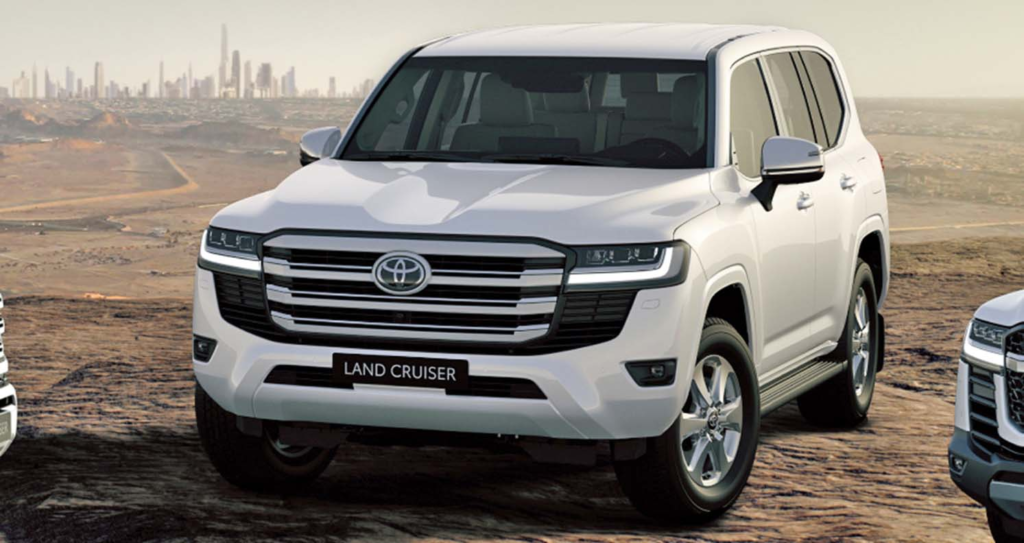
Toyota has re-designed the chassis so that it is more durable and weighs less. It has stated that the Toyota Land Cruiser has been reduced in weight by 200 kg compared to the previous model, so that its current weight is 2,619 kg, and the center of gravity has been lowered, making it less likely to tip over while driving. Improved weight distribution and the introduction of a new suspension system called “Electronic Kinetic Dynamic Suspension”; In order to provide a smooth and easy ride on rough terrain, the car measures 4,950 mm in length, 1,978 mm in width, and 2.849 mm in wheelbase.
Toyota Land Cruiser 300 series
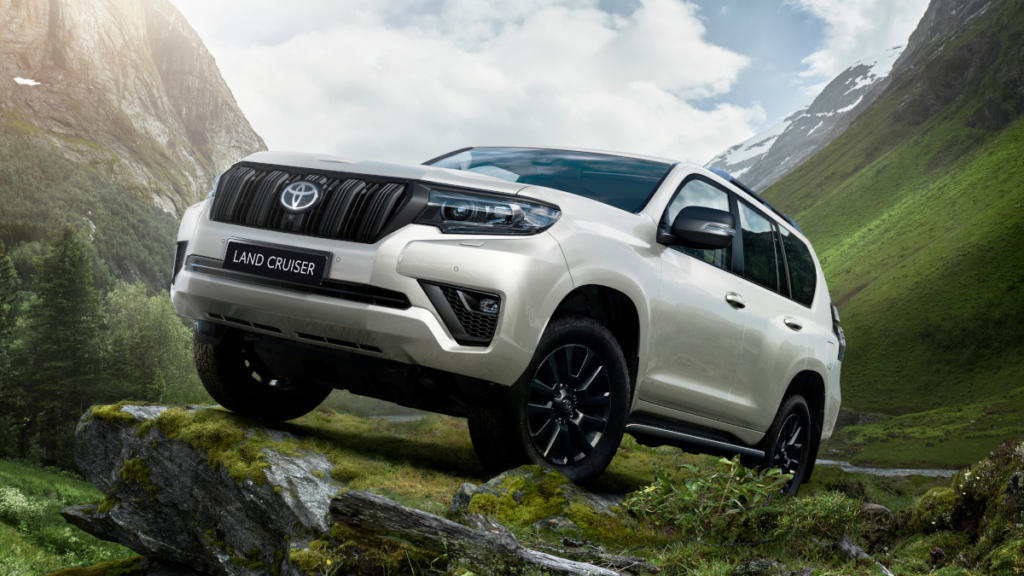
2022 Toyota Prado Diesel now comes with 2800 cc GD-engine. It is a lot quieter now both when it is idle and when it is moving. Prado Petrol is still available in 2700 cc Petrol engine. Toyota Land Cruiser Prado is based on Toyota’s J150 platform. The Prado is also referred to as Land Cruiser Prado, LC15. Depending on the market, 2022 Prado diesel is available with an under-floor mounted or rear door mounted spare wheel
Toyota Land Cruiser Prado
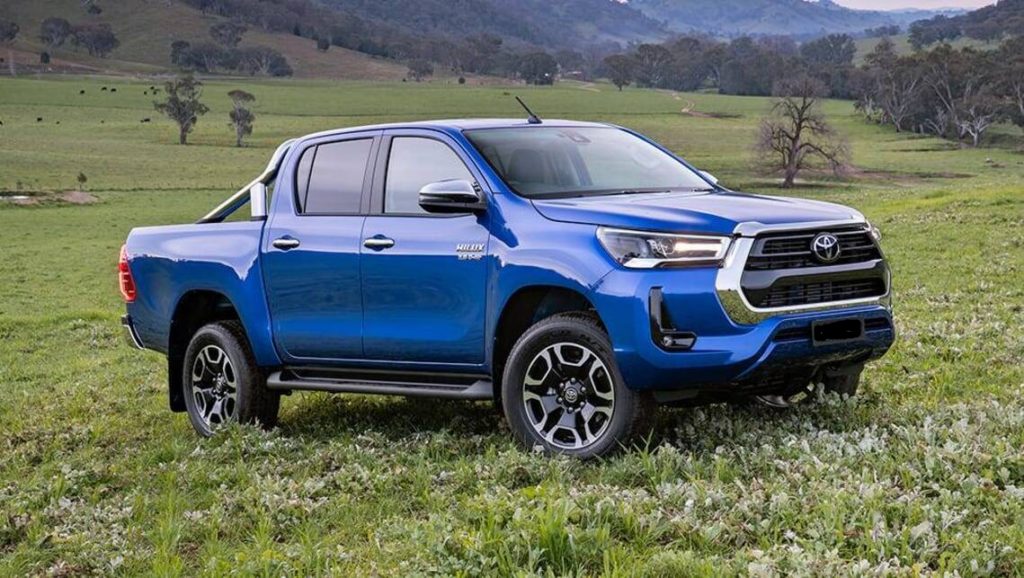
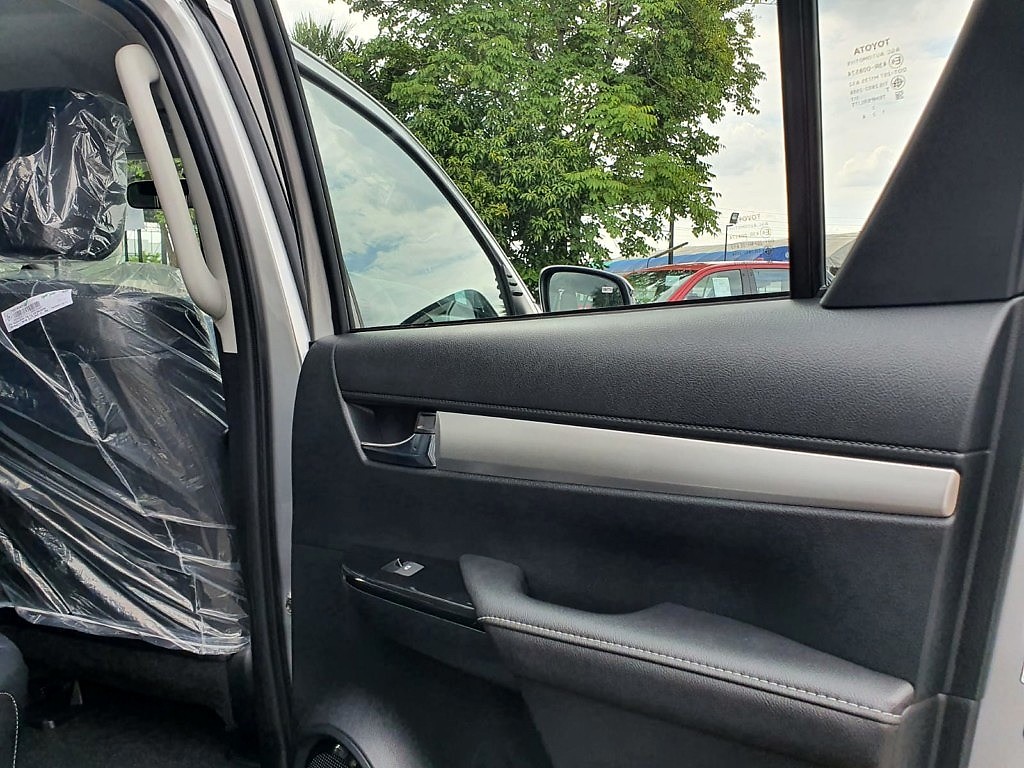
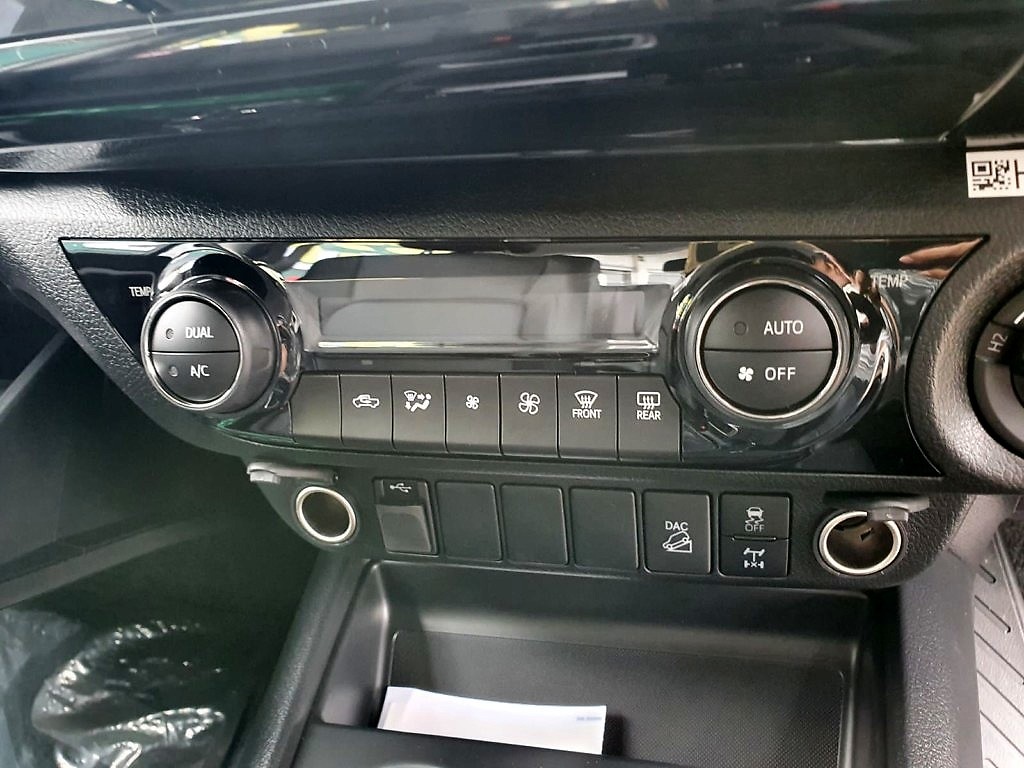
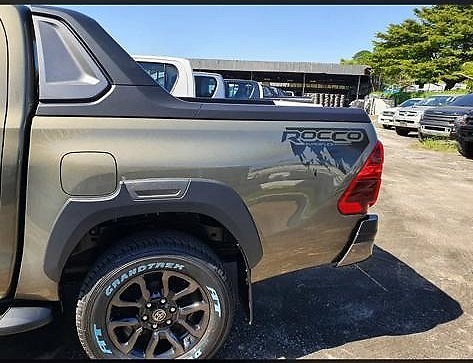
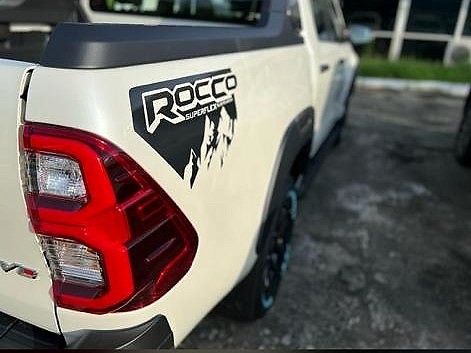
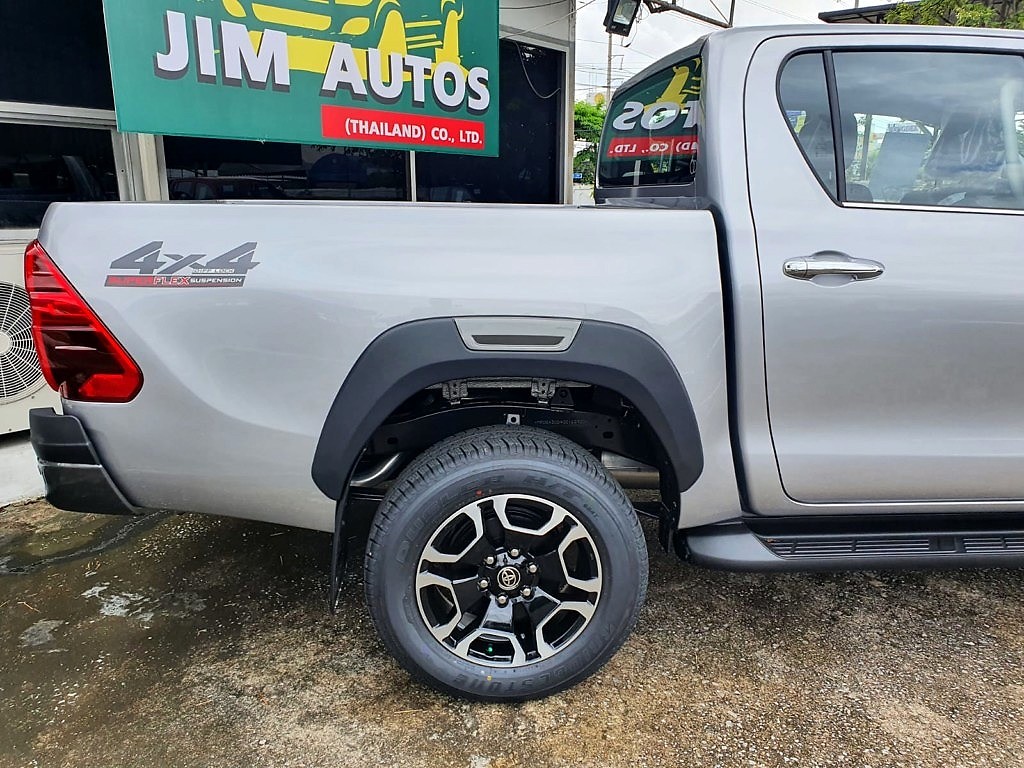
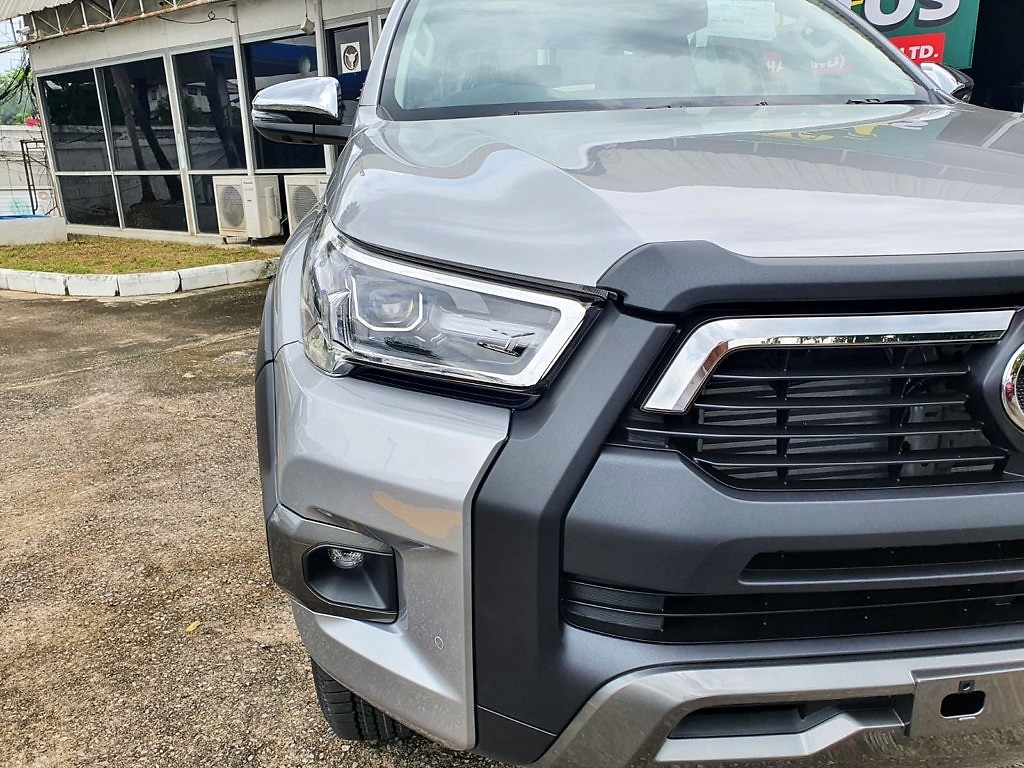
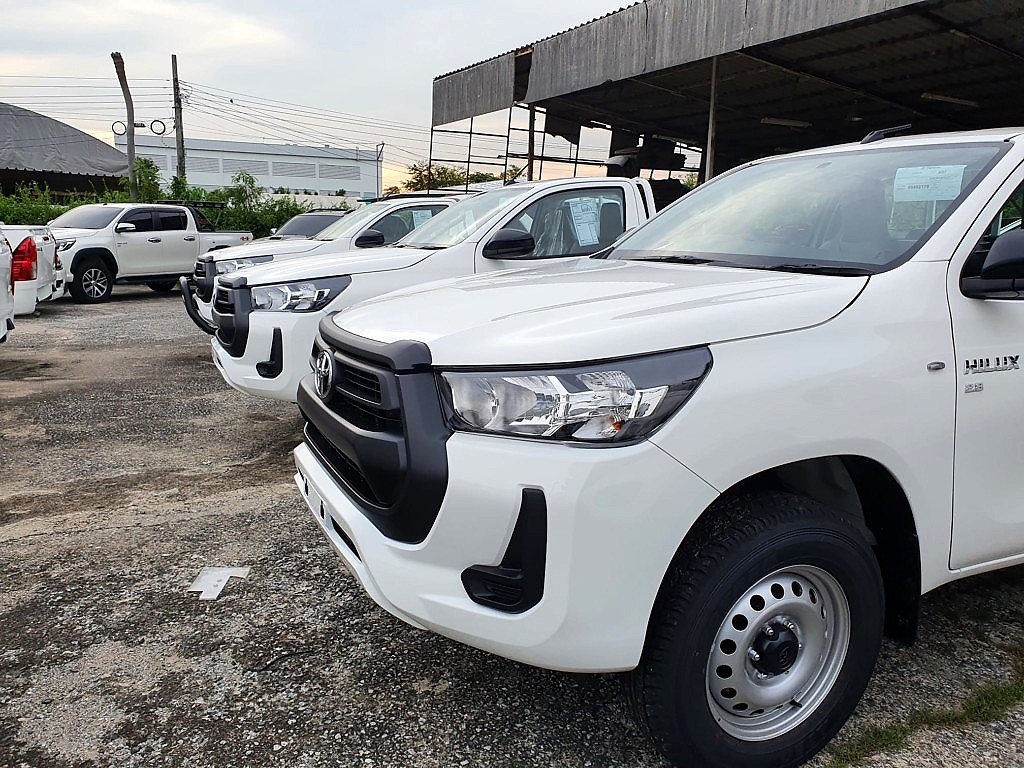
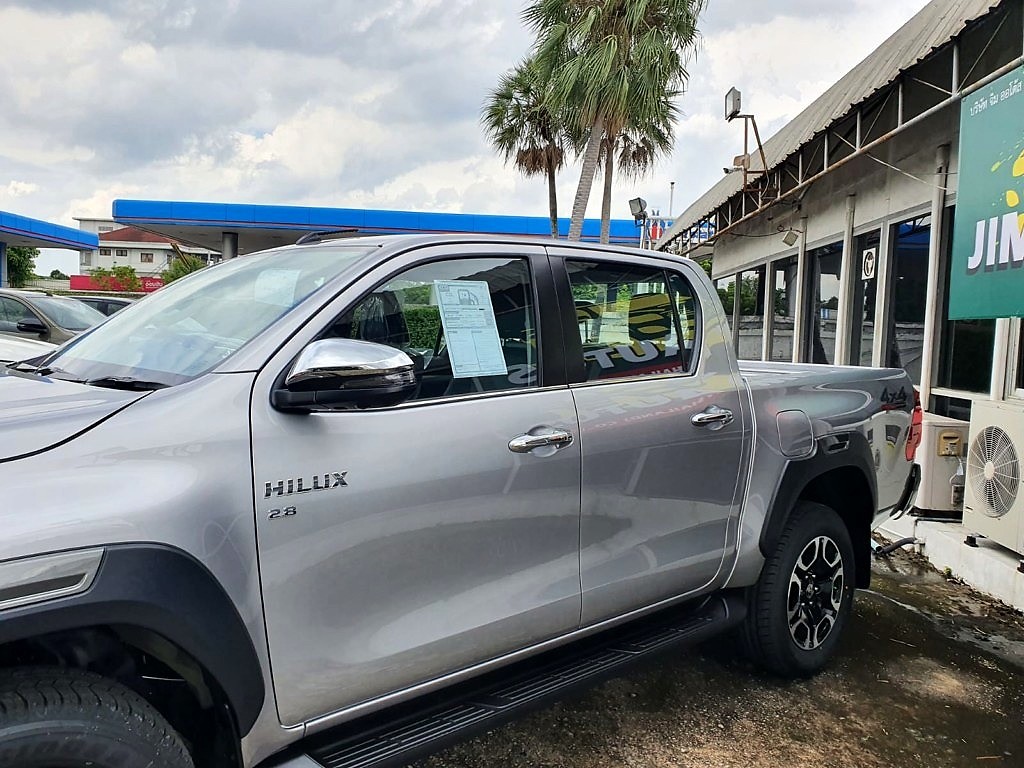
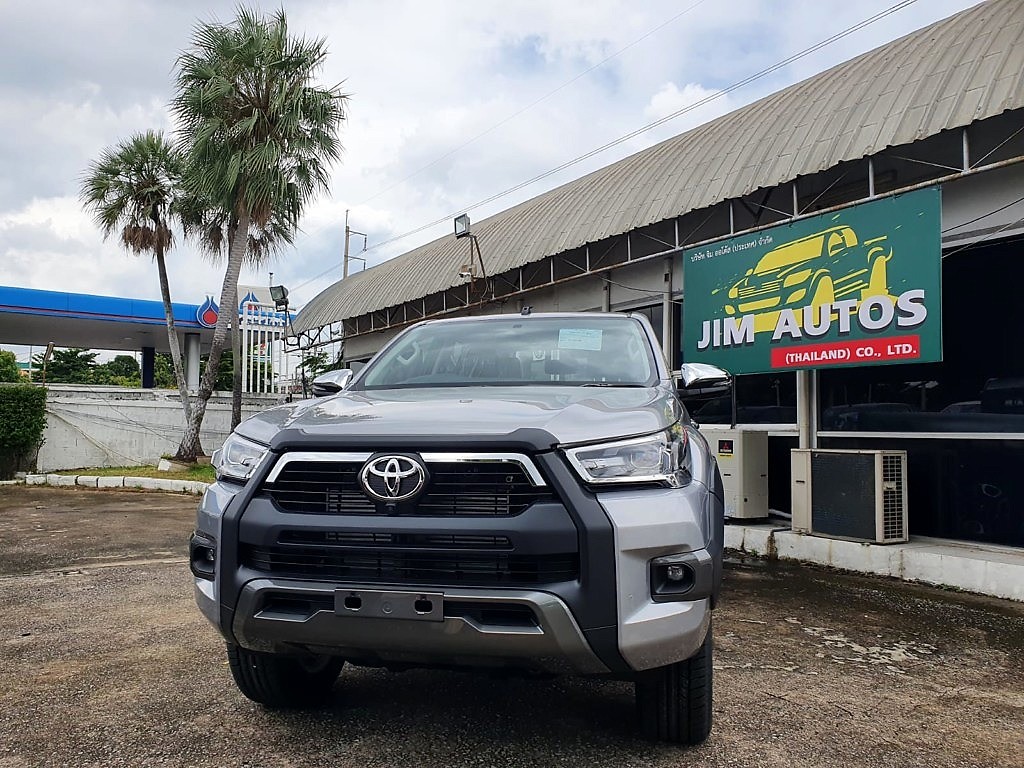
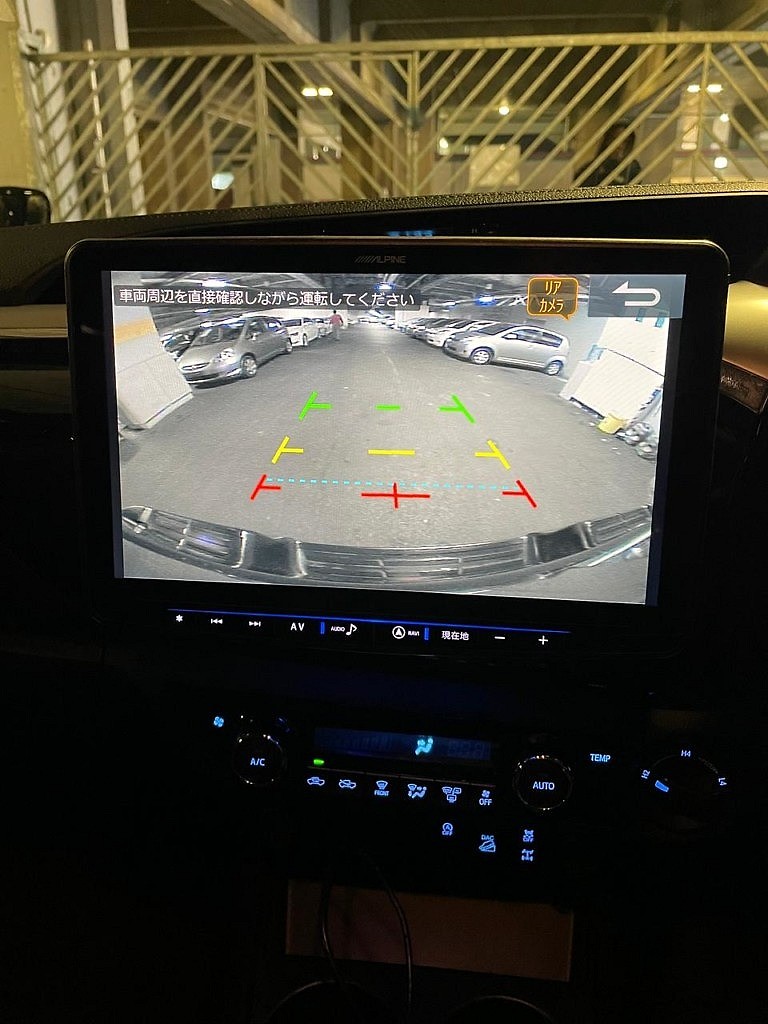
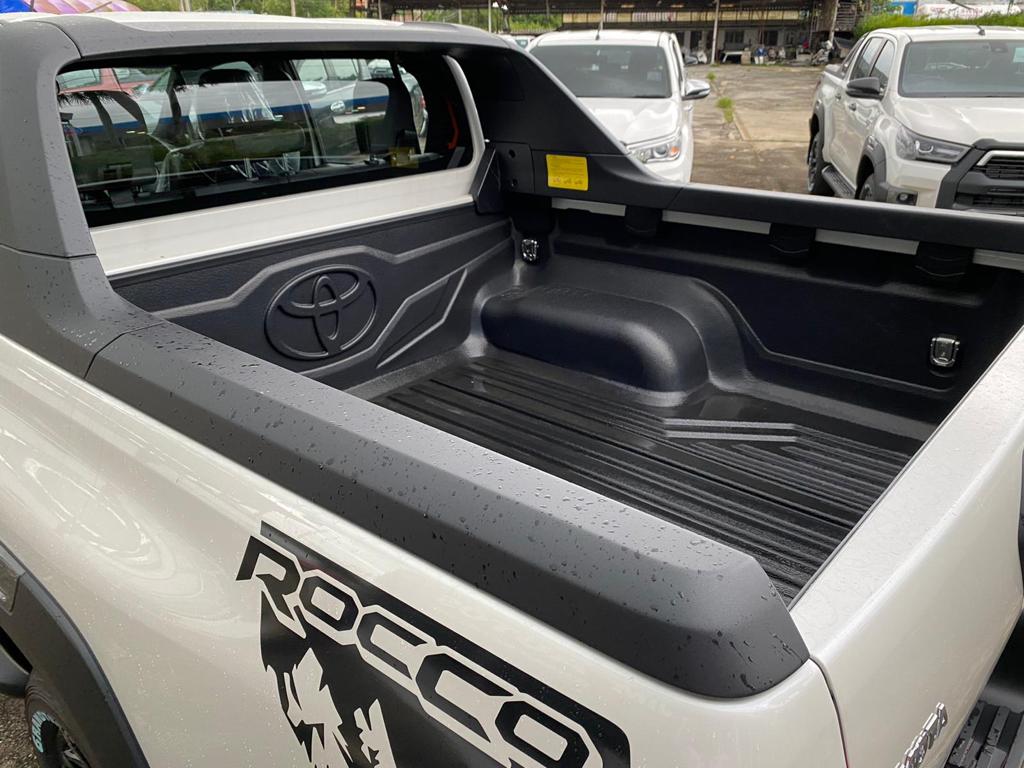
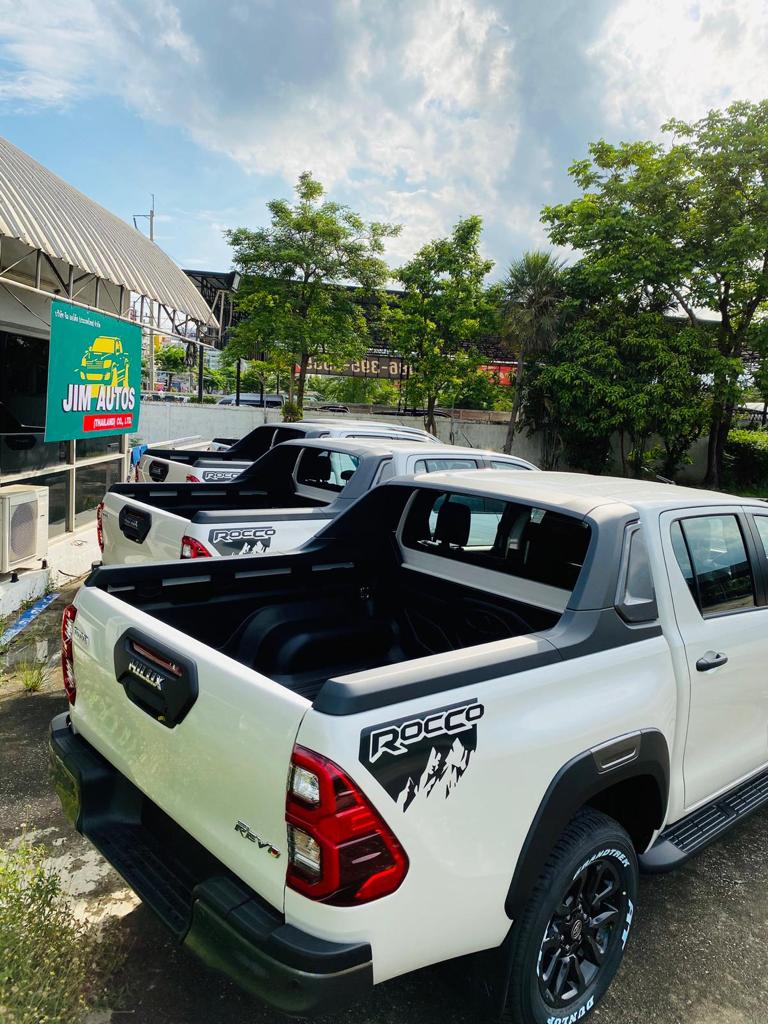
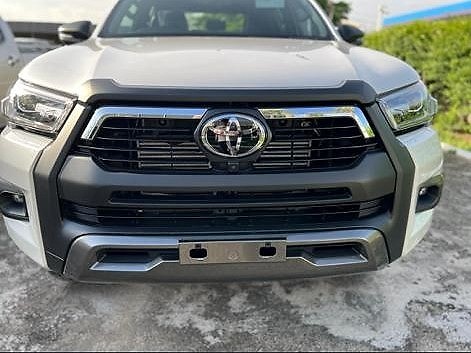
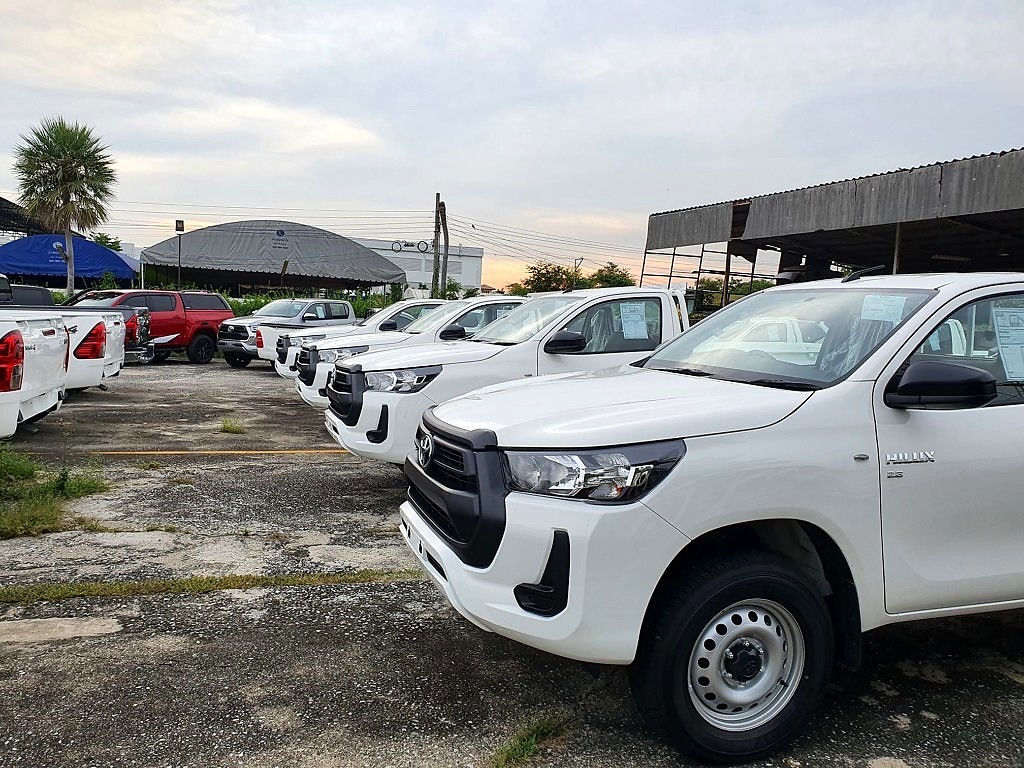
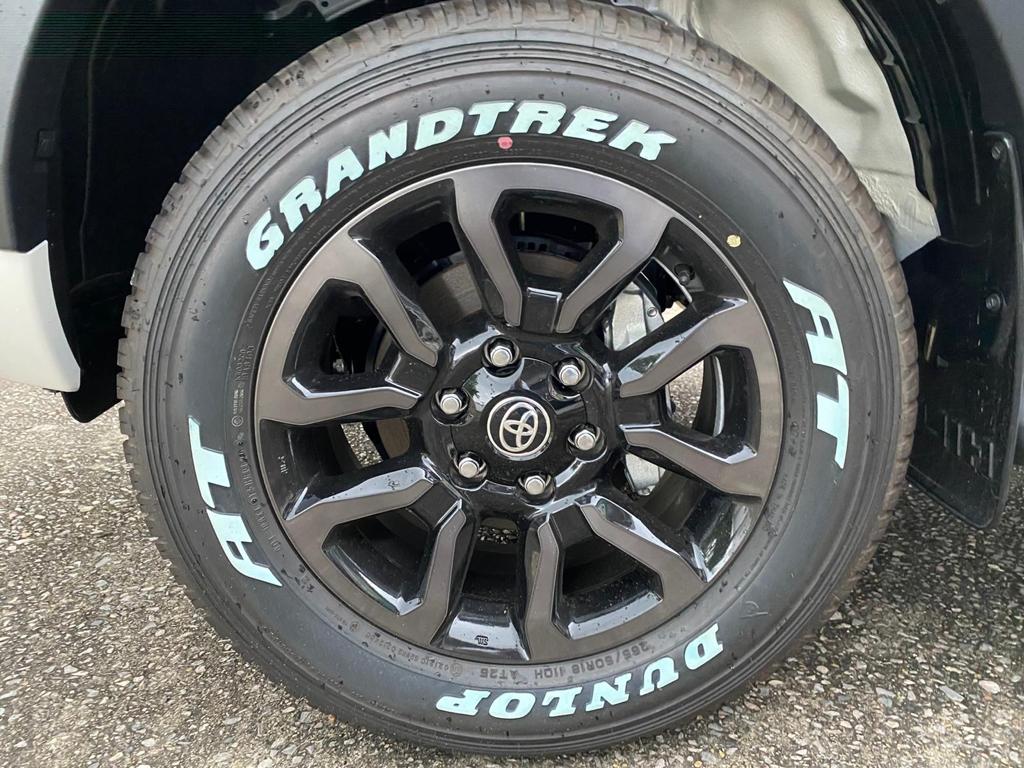
The Toyota Hilux has been given a technology update for 2022.
Toyota Connected Services has been added to the range, which automatically calls emergency services after an accident, or allows owners to track their car if it’s stolen.
Toyota has subbed the tall antenna on the roof of the Hilux for a lower-profile unit that should be friendlier in low carparks.
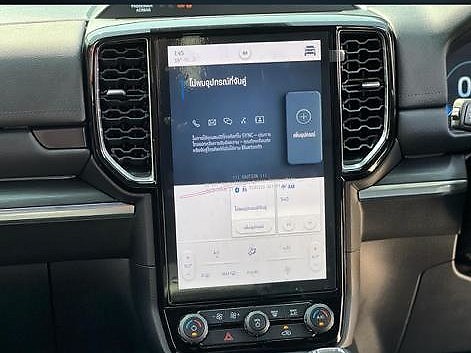
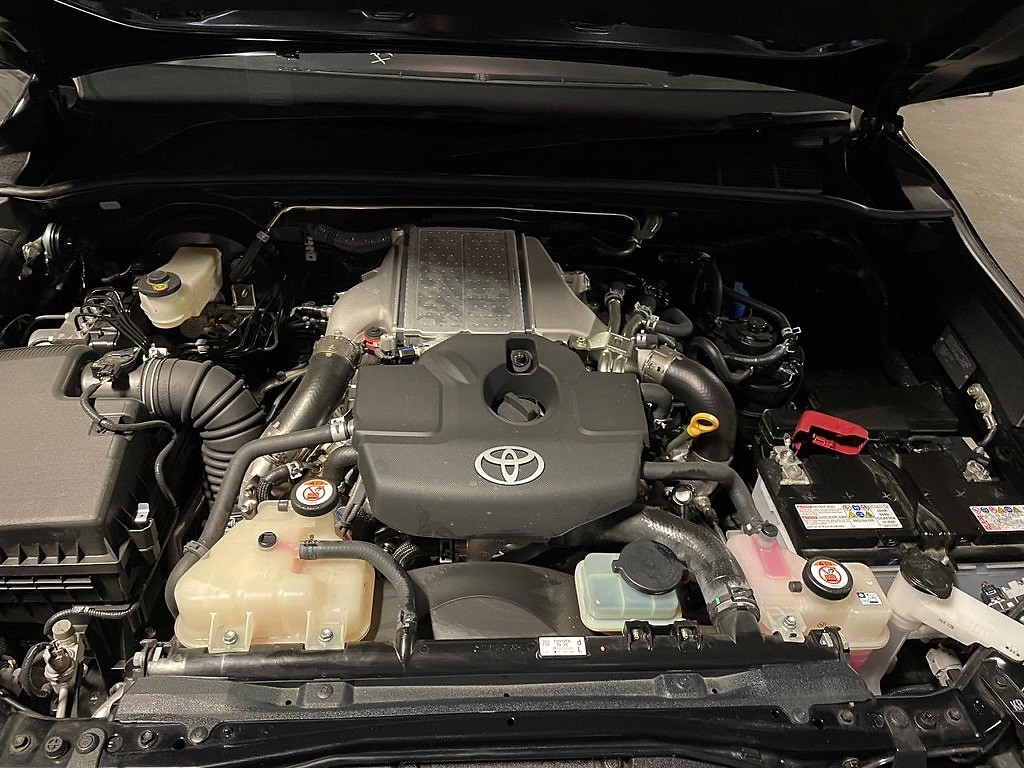
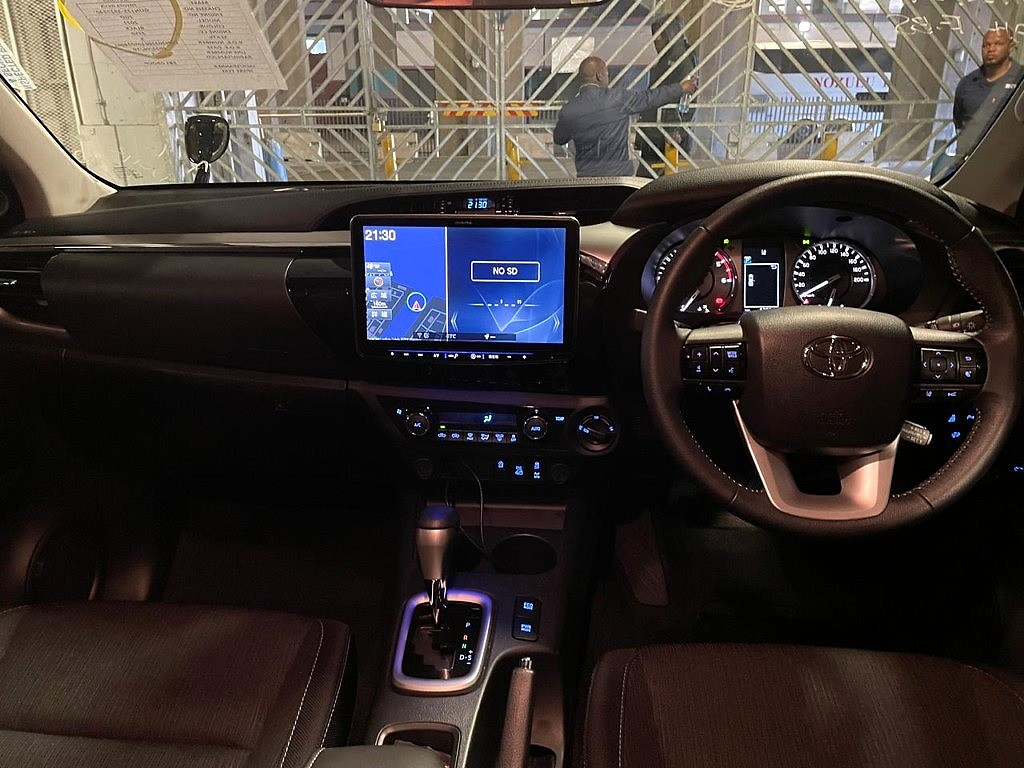
In addition to its more powerful 2.8-litre turbo-diesel four-cylinder engine, the Hilux packs retuned spring rates, shock absorbers and suspension bushes as well as revised cabin mounts. Inside, there’s an 8.0-inch touchscreen infotainment system with Android Auto and Apple CarPlay, as well as control knobs and enhanced voice recognition.
The dials in the instrument cluster have a new look and the 4.2-inch display between them now contains a digital speedometer.
The most powerful engine in the 2022 Toyota Hilux range is a 2.8-litre four-cylinder turbo-diesel, which has 150kW of power (at 3400rpm) and 500Nm of torque (at 1600-2800rpm) when fitted with a six-speed automatic. Manual models develop 420Nm (at 1400-3400rpm).
Lower grades offer a 110kW/400Nm 2.4-litre four-cylinder turbo-diesel, while the entry-level versions are fitted as standard with a 122kW/245Nm 2.7-litre four-cylinder petrol engine.
Toyota Hilux
Toyota Fortuner
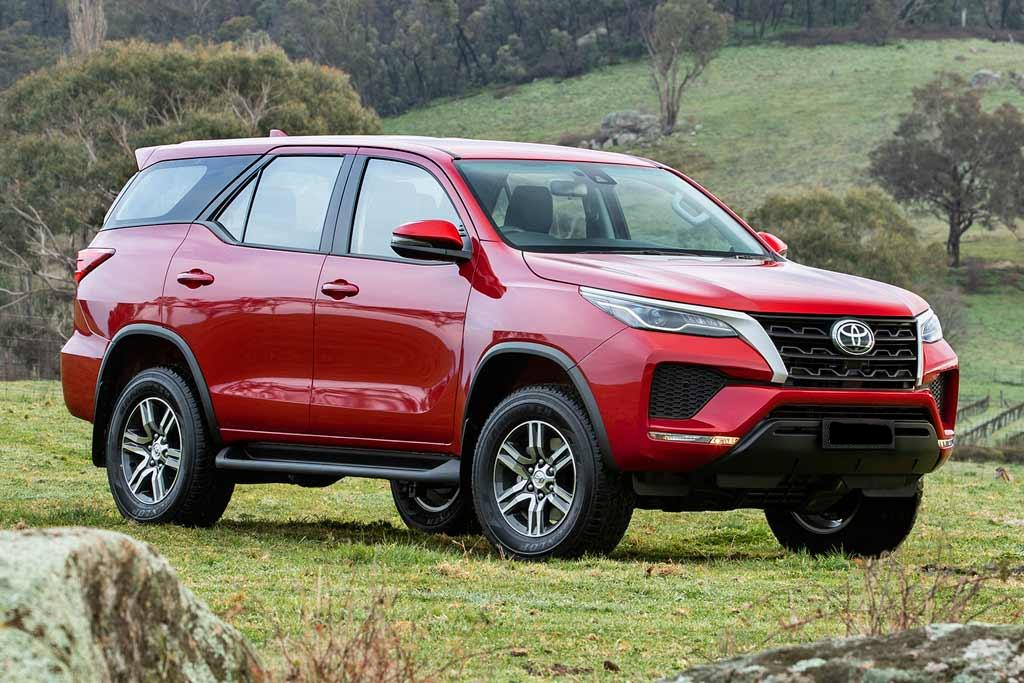
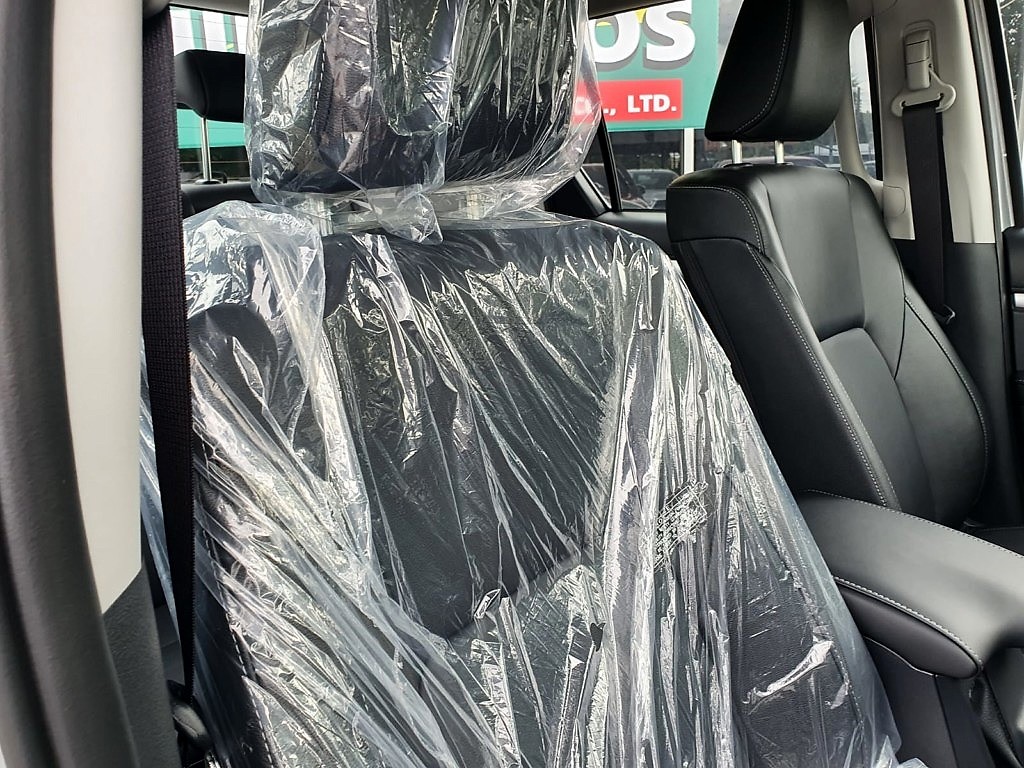
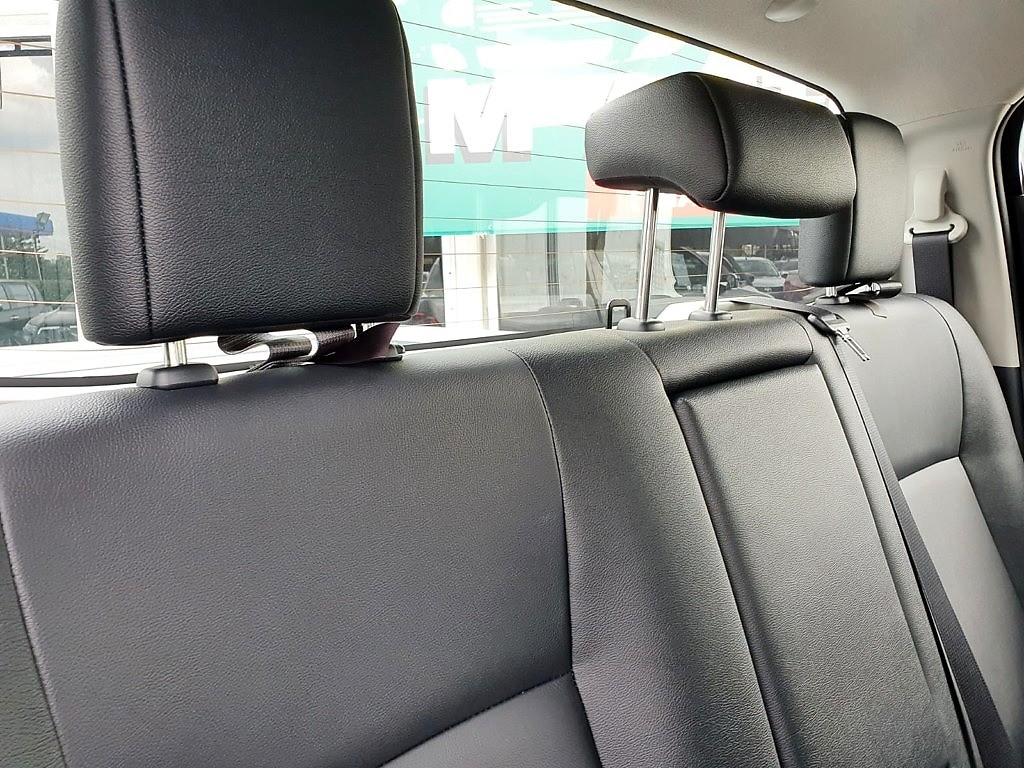
With leather trim on the seats and steering wheel, a leather-like padded cover for the top glovebox, and plenty of gloss black, it’s flashier than you might expect of a HiLux-based off-roader.
In reality, the flashiness isn’t backed with the substance you’d hope. The driving position is poor for tall drivers – at six-seven, I need to lever my legs under the wheel and sit with them awkwardly splayed – and some of the touch points feel downright nasty. The Toyota Fortuner is powered by the same 2.8-litre turbo-diesel four-cylinder engine as the HiLux ute, with 150kW of power and 500Nm of torque.
It comes with a six-speed automatic transmission and switchable four-wheel drive, including low range and a locking rear differential.
Claimed fuel economy is 7.6L/100km on the ADR combined city and highway cycle, and the Fortuner has an 80L fuel tank. We saw 8.2L/100km on a mixed loop.